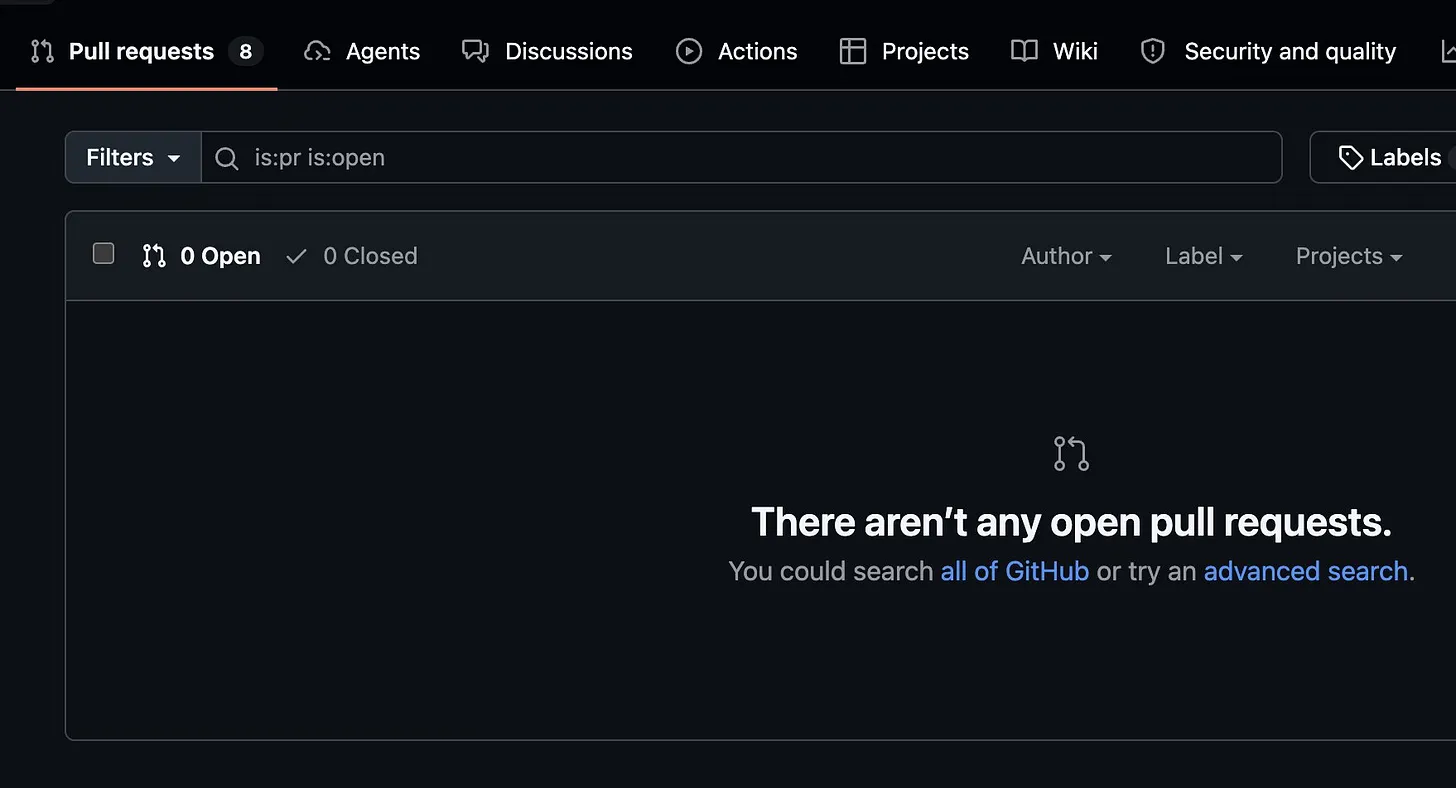
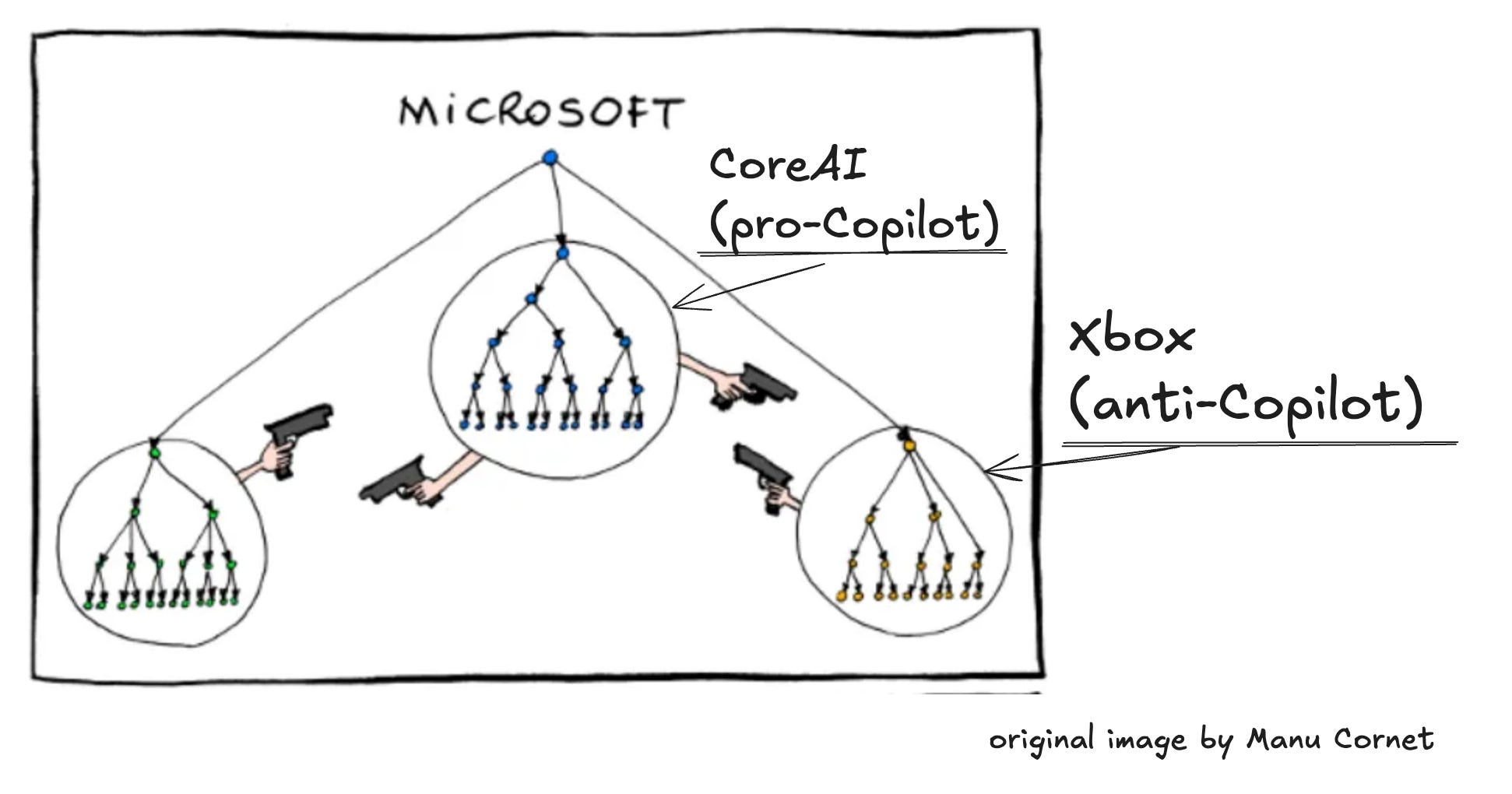
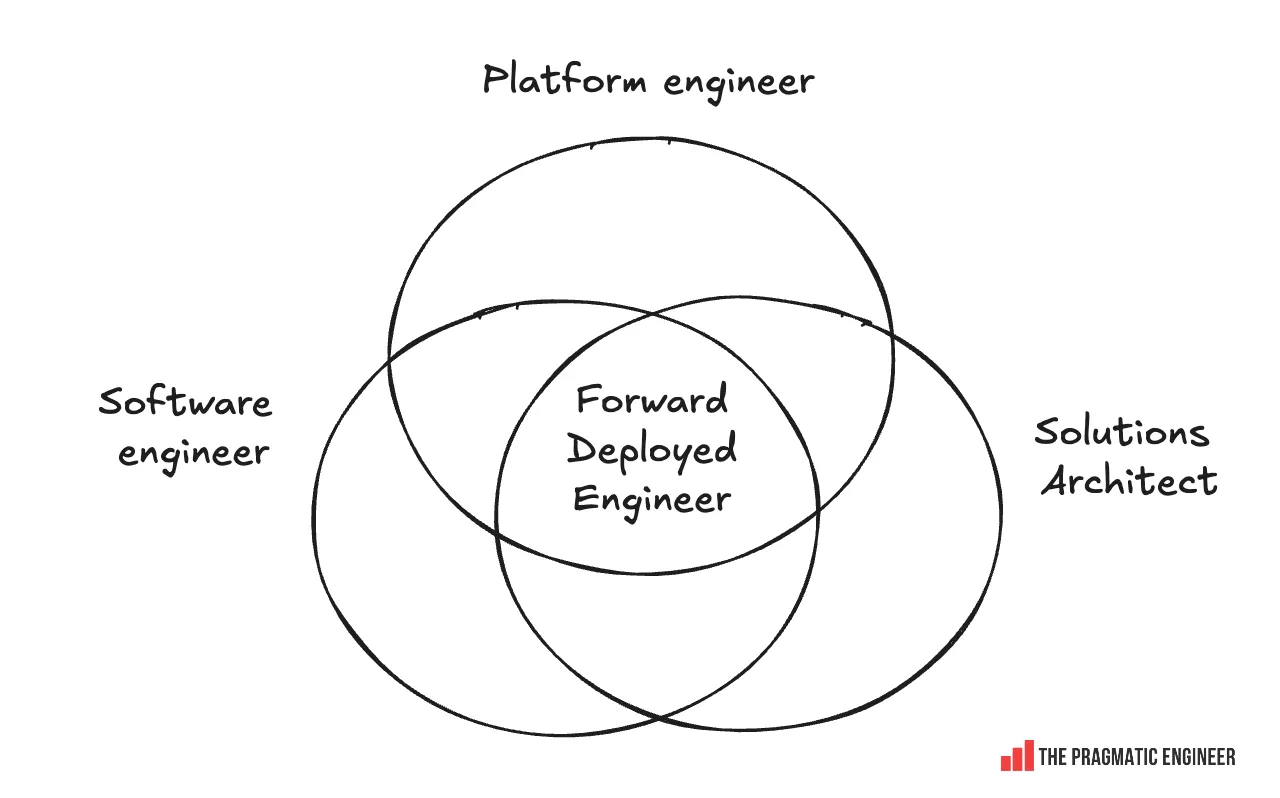
Is the FDE role becoming less desirable?
Job postings for Forward Deployed Engineers (FDEs) have surged, but many professionals don’t want the role because it’s more like solutions engineering than software development.

Job postings for Forward Deployed Engineers (FDEs) have surged, but many professionals don’t want the role because it’s more like solutions engineering than software development.

Success in modern UX isn’t about having the most content. It’s about having the most findable content. Yet even with more data and better tools than ever, internal search often fails, leaving users to rely on global search engines to find a single page on a local site. Why does the “Big Box” still win, and how can we bring users back?

Next.js 16.2 introduces a stable Adapter API, a public adapter test suite, and a working group for more consistent deployment across platforms.
Accessibility works best when it blends into everyday design workflows. The goal isn’t a big transformation, but simple work processes that fit naturally into a team’s routine. With Figma variables, testing font size increases becomes part of the design flow itself, making accessibility feel almost inevitable rather than optional.

How to choose between modals and pages, when to avoid modals, and how to determine the right level of interruption or navigation. Brought to you by Smart Interface Design Patterns , a **friendly video course on UX** and design patterns by Vitaly.

Turbopack in Next.js 16.2 brings faster builds, SRI support, postcss.config.ts, tree shaking of dynamic imports, Server Fast Refresh, inline loader configuration, and over 200 bug fixes.
Next.js 16.2 ships AGENTS.md in create-next-app, browser log forwarding, dev server lock file with PID, and next-browser for AI agent debugging.
Next.js 16.2 includes Adapters, rendering performance improvements, improved debugging and error pages, and more.
Design is about pacing and feelings as much as pixels and patterns. Alan Cohen explores Emotion in Flow and Emotion in Conflict, showing how anime like Dan Da Dan and superhero films like James Gunn’s Superman manage emotional shifts and translating those ideas into practical patterns for product design.

The way JavaScript handles time has evolved significantly, from the built-in `Date` API to Moment.js and now Temporal. The new standard fills gaps in the original `Date` API while addressing limitations found in Moment and other libraries. Joe Attardi shares practical “recipes” for migrating Moment-based code to the new Temporal API.

For years, developers have been hacking around the limitations of `border-radius`, using clip-path, SVG masks, and fragile workarounds just to get anything other than round corners. The new `corner-shape` property finally changes that, opening the door to beveled, scooped, and squircle corners.

Some forms stay UI, while others quietly become rule engines. Here’s why these two different approaches exist and how to choose between them.

Many product teams still lean on usability improvements and isolated behavioral tweaks to address weak activation, drop-offs, and low retention – only to see results plateau or slip into shallow gamification. Anders Toxboe updates persuasive design for today’s reality, clarifying what has actually held up over the last decade.

UX design is entering a new phase, with designers shifting from makers of outputs to directors of intent. AI can now generate wireframes, prototypes, and even design systems in minutes, but UX has never been only about creating interfaces. It’s about navigating ambiguity, advocating for humans in systems optimised for efficiency, and solving their problems through thoughtful design.

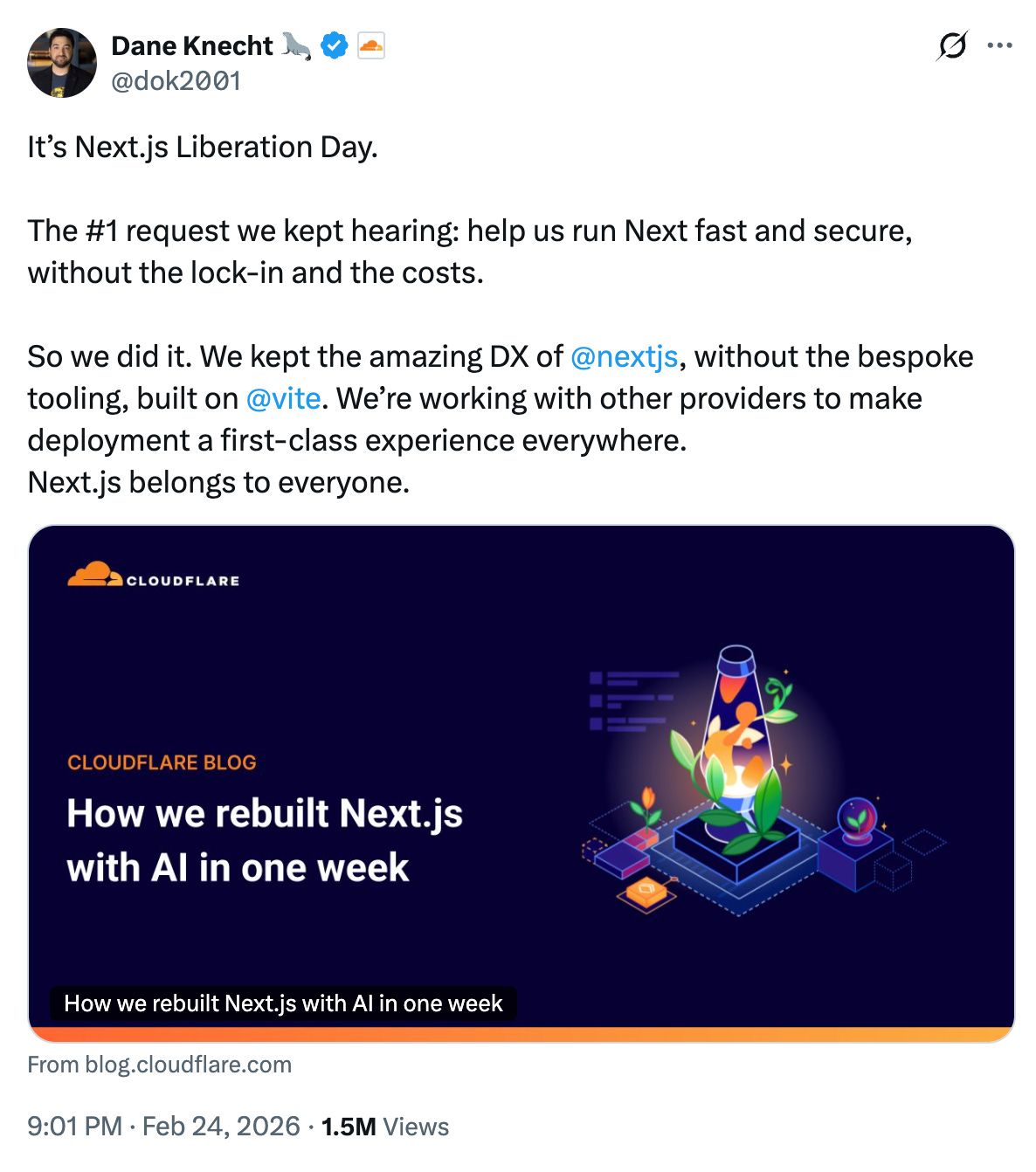
An engineer at Cloudflare rewrote most of Vercel’s Next.js in one week with AI agents. It looks like a sign of how AI will disrupt existing moats and business models. Analysis

Our newest Smashing Book, “Accessible UX Research” by Michele Williams, is finally shipping worldwide — and we couldn’t be happier! This book is about research, but you’ll also learn about assistive technology, different types of disability, and how to build accessibility into the entire design process. This thoughtful book will get you thinking about ways to make your UX research more inclusive and thorough, no matter your budget or timeline. Jump to the book details or order your copy now.

What happens if you rebuild a single tooltip using the browser’s native model without the aid of a library? The Popover API turns tooltips from something you simulate into something the browser actually understands. Opening and closing, keyboard interaction, Escape handling, and much of the accessibility now come from the platform itself, not from ad-hoc JavaScript.

Do you need a little inspiration boost? Well, then our new batch of desktop wallpapers is for you. Designed by the community for the community, the wallpapers in this collection are the perfect opportunity to get your desktop ready for spring — and, who knows, maybe they’ll spark some new ideas, too. Enjoy!

Meet our brand new conference for designers and UI engineers who love the web. That’s [SmashingConf Amsterdam](https://smashingconf.com/amsterdam-2026), taking place in the legendary Pathé Tuschinski, on April 13–16, 2026.

The React Foundation has officially launched, hosted by the Linux Foundation.
Every high-resolution hero image, autoplay video, and complex JavaScript animation carries a cost. Sustainable UX challenges the era of “unlimited pixels” and reframes performance as responsibility. In 2026, truly sophisticated design is defined not by how much it adds, but by how thoughtfully it reduces its footprint.

What makes streaks so powerful and addictive? To design them well, you need to understand how they align with human psychology. Victor Ayomipo breaks down the UX and design principles behind effective streak systems.

Designing for mental health means designing for vulnerability. Empathy-Centred UX becomes not a “nice to have” but a fundamental design requirement. Here’s a practical framework for building trust-first mental health products.

How we built and sunset an in-browser agent, shipped MCP integration, and learned that better AI agent support means thinking from the agent's perspective.
Autonomy is an output of a technical system. Trustworthiness is an output of a design process. Here are concrete design patterns, operational frameworks, and organizational practices for building agentic systems that are not only powerful but also transparent, controllable, and trustworthy.

Prescriptive class name conventions are no longer enough to keep CSS maintainable in a world of increasingly complex interfaces. Can the new `@scope` rule finally give developers the confidence to write CSS that can keep up with modern front ends?

Combobox vs. Multi-Select vs. Listbox vs. Dual Listbox? How they are different, what purpose they serve, and how to choose the right one. Brought to you by Design Patterns For AI Interfaces , **friendly video courses on UX** and design patterns by Vitaly.

I used to pay $120/year for a SaaS that hasn’t added new features in four years, and didn’t fix its broken billing system for three years. Using an LLM, I managed to rewrite all the functionality I used to pay for in 20 minutes. Is this bad news for “write once, don’t update later” SaaS?

Learn how we built Turbopack with incremental computation to scale development and builds to massive Next.js applications.
When AI writes almost all code, what happens to software engineering? There is grief involved for us developers, that's for sure.
Next.js 16.1 introduces Turbopack file system caching for development, a new bundle analyzer, and easier debugging in Node.js.
Deja vu: a large Cloudflare outage caused by an instantly rolled-out global config change – two weeks after a similar problem

Two additional vulnerabilities have been identified in React Server Components. Users should upgrade to patched versions immediately.
Security researchers have found and disclosed two additional vulnerabilities in React Server Components while attempting to exploit the patches in last week’s critical vulnerability. High vulnerability Denial of Service (CVE-2025-55184), and medium vulnerability Source Code Exposure (CVE-2025-55183)
A critical vulnerability (CVE-2025-66478) has been identified in the React Server Components protocol. Users should upgrade to patched versions immediately.
There is an unauthenticated remote code execution vulnerability in React Server Components. A fix has been published in versions 19.0.1, 19.1.2, and 19.2.1. We recommend upgrading immediately.
Last week we hosted React Conf 2025, in this post, we summarize the talks and announcements from the event...
Next.js 16 beta includes stable Turbopack, file system caching, React Compiler support, smarter routing, new caching APIs, and React 19.2 features.
We are releasing the compiler's first stable release today.
Today, we're announcing our plans to create the React Foundation a new technical governance structure