Change is coming. ScienceAlert stories are written, fact-checked, and edited by humans, never generated by AI. Don't miss a story, subscribe here.
Diagnosis definitions matter when it comes to public health – for everything from tailoring individual treatments to tracking conditions across populations – and a new study concludes that millions of people worldwide could be misdiagnosed with obesity.
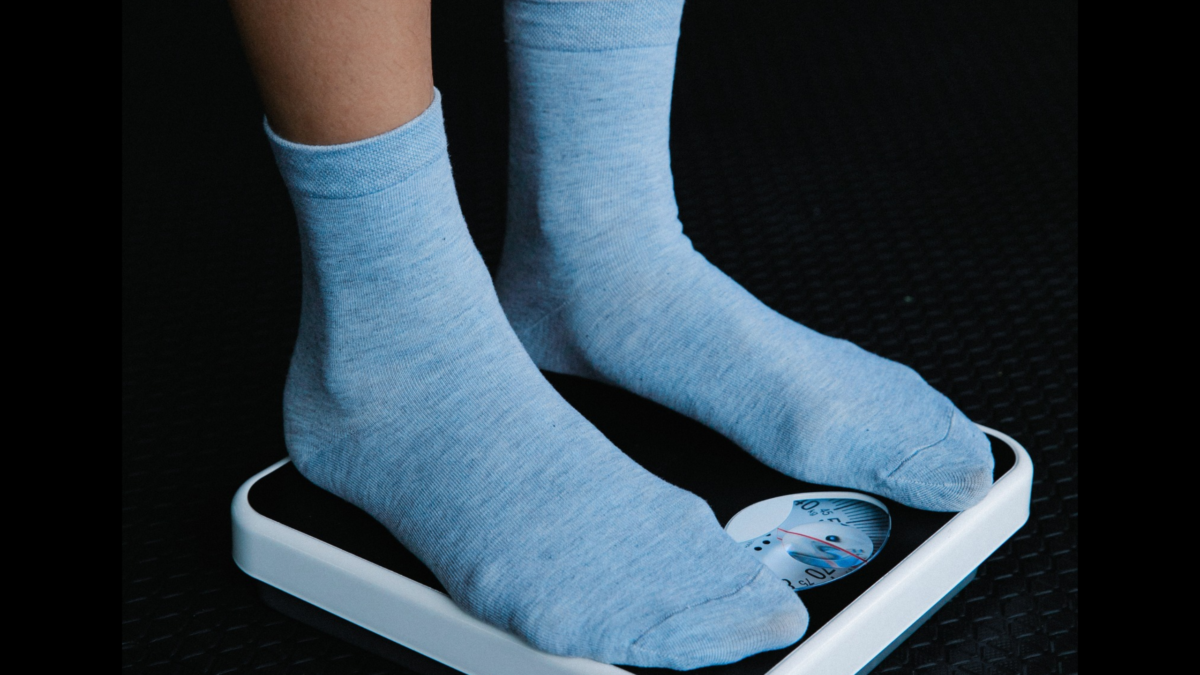
Obesity has traditionally been assessed using body-mass index (BMI), which divides a person's weight by their height squared.
However, BMI has long been seen as too approximate and not precise enough, and in 2025 a comprehensive new framework for defining obesity was put forward by experts.
That new framework is put to the test in this latest study, which was carried out by an international team of scientists and published in Nature. Across 844,108 adults in four groups of people, covering China, the UK, the US, and Spain, the updated definition was compared to BMI.
BMI alone, the data showed, missed obesity in up to 8.6 percent of study participants, while wrongly classifying up to 3.1 percent of people as having obesity when in fact they wouldn't qualify under the new 2025 criteria.
Importantly, the new framework also differentiates between clinical obesity, where excess fat is actually doing damage to internal systems and organs, and preclinical obesity, which means someone is overweight, but it hasn't yet begun to harm bodily functions.
"This study shows that up to a third of all cases of obesity are clinical obesity, an active disease that should be treated as such," says bariatric surgery consultant Francesco Rubino, from King's College London.
"Most people with preclinical obesity, but not all, remained free of clinical obesity for a decade."
The new framework put forward last year takes into account other measurements and information, including waist circumference, waist-to-height ratio, and body fat scans, and also looks for signs of organ damage or physical impairment affecting everyday activities.
It's hoped that if the 2025 proposals are more widely accepted by doctors and healthcare professionals, treatments such as GLP-1 weight loss drugs can be prescribed for those who really need them, rather than for everyone classified as obese under the BMI rules.
"Preclinical obesity should therefore be neither treated automatically as active disease nor dismissed as harmless," says Rubino.
"Some people may need preventive treatment, but its intensity should match their individual risk."
Multiply out the findings of this study to the world's population at large, and we could be looking at millions of people who aren't given a correct obesity diagnosis.
Being clinically obese was associated with a 69 percent higher risk of dying during follow-up periods of more than a decade, compared to 19 percent for preclinical obesity.
That's a substantial difference, and it wouldn't be flagged using traditional diagnosis methods.
ScienceAlert
Original Reporting Source
Explore features, ratings, and alternatives from our 19,000+ AI tools catalog.

AssistLoop's AI chatbots slash response times by 70% and boost satisfaction, scaling support for e-commerce and SaaS without extra hires.

Design professional websites effortlessly with AI.
Hypertxt.ai is an AI-powered SEO content writing tool that helps create high-quality, optimized content for improved search engine rankings. It offers various features to streamline the content creation process, from keyword research to content optimization and plagiarism checks.

