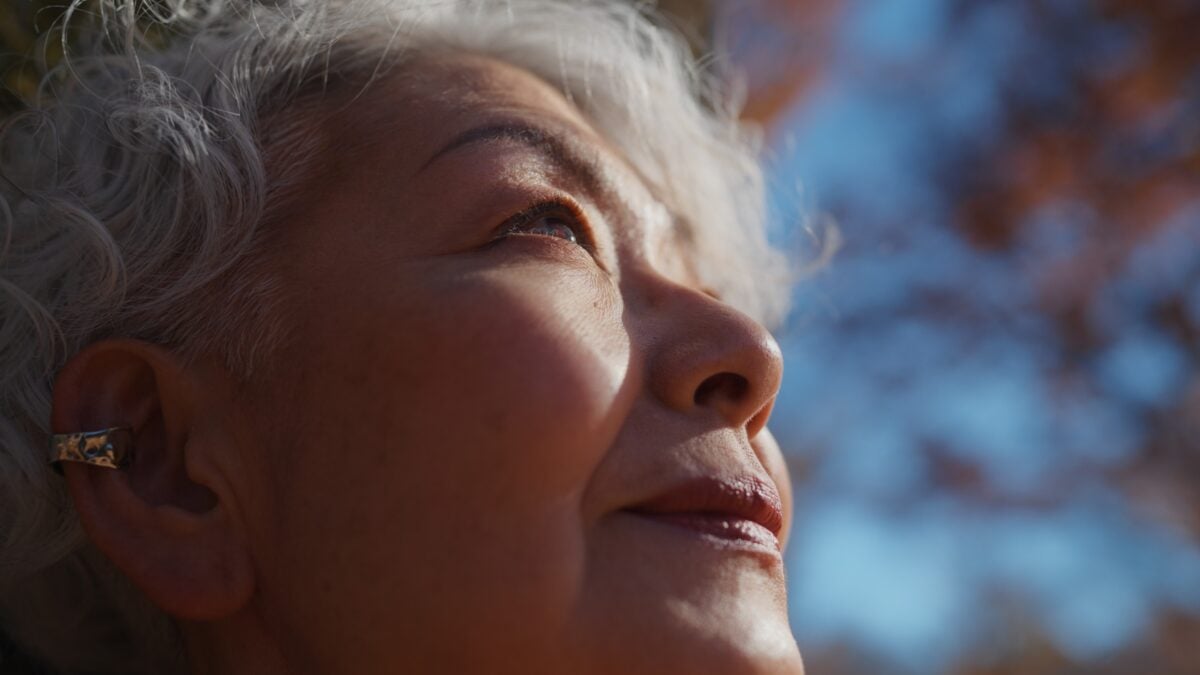
An overlooked therapy? ScienceAlert stories are written, fact-checked, and edited by humans, never generated by AI. Don't miss a story, subscribe here.
Each morning, when we open our eyes to a bright new day, our brain's 'master clock' synchronizes our body and its rhythms with the Sun.
The more light that we are exposed to on a daily basis, the better it may be for our brains in the long run.
According to recent research among nearly 88,000 older adults, those who are exposed to more daily light are less likely to develop dementia over the next decade or so.
The longer the exposure to light, either natural or artificial, the stronger the association.
In fact, spending at least 42 minutes a day exposed to bright light (5,000 lux or more) was associated with a 17 percent lower relative risk of dementia.
That's a better predictor of dementia than six other traditional risk factors, including obesity, alcohol consumption, air pollution, and hearing loss.
For 'night owls', the association was even stronger. Greater daytime light exposure was linked with up to a 41 percent lower risk of dementia.
The findings, published in General Psychiatry, support the idea that light-based interventions hold promise for people at risk of cognitive decline.
"These findings position daytime light exposure as a novel, robust and measurable indicator of dementia risk," write the study authors, led by researchers at Guangzhou Medical University in China.
"They could inform future research into light-based interventions and public health guidelines that recommend increased daytime light exposure as a low-cost strategy to support brain health, particularly in high-risk populations."
Many dementia patients suffer from sleep disorders or disruption to their sleep-wake cycles, and yet surprisingly little research has investigated light exposure and its connections to cognitive decline.
The human body's circadian clock tells us when to wake up and go to sleep, and it is naturally synchronized with sunlight.
When light enters the eyes, it activates the brain's master clock, thereby regulating the rest of the body's daily rhythms.
Sunlight on the skin, meanwhile, stimulates vitamin D production, which is also tied to dementia risk.
Previous studies have shown that brighter nights and darker days can disrupt circadian rhythms, but it remains unclear how this affects brain health in the long run.
ScienceAlert
Original Reporting Source
Explore features, ratings, and alternatives from our 19,000+ AI tools catalog.

AssistLoop's AI chatbots slash response times by 70% and boost satisfaction, scaling support for e-commerce and SaaS without extra hires.

Design professional websites effortlessly with AI.
Hypertxt.ai is an AI-powered SEO content writing tool that helps create high-quality, optimized content for improved search engine rankings. It offers various features to streamline the content creation process, from keyword research to content optimization and plagiarism checks.

