Last year's offenders mostly cleaned up their acts, but a new batch is just as ready to talk sex, drugs, and where to find the knives with your kids
Last year's offenders mostly cleaned up their acts, but a new batch is just as ready to talk sex, drugs, and where to find the knives with your kids
AI and children's toys continue to be a match made in hell.
Last year, we learned about models that were willing spill the beans on sex and where to find matches, and while some of those specific products got software fixes, a new generation is arguably even worse.
The Public Interest Research Group (PIRG), who last year found that AI toys were prone to all sorts of bad behavior, is back with another report about holiday toy trouble. They retested last year’s toys as well as three new ones. The results were not very encouraging.
Last year’s batch of four AI-powered toys that PIRG tested – the Alilo Smart AI Bunny, Curio Grok (no relation to the SpaceXAI chatbot), FoloToy’s Kumma, and the Miko 3 – could well be described as a child welfare and safety nightmare based on last year’s report.
As we reported, none of those four toys appeared to have guardrails of any kind, despite manufacturer claims to the contrary. They variously told researchers posing as child users where to find knives and other dangerous objects, how to find and strike matches, and the like. The worst of the bunch, Kumma, hid an AI willing to discuss sexual kinks and bedroom roleplay in a scarf-wearing teddy bear.
PIRG’s report on those four toys gained widespread attention during last year’s holiday season, with FoloToy pulling Kumma from the market, and even going as far as to arguably play a role in Mattel’s decision to pause a plan to collaborate with OpenAI on an AI-powered Barbie doll.
For this year’s report, PIRG reexamined those four toys to see if they would behave any better, and it does seem like many of the toymakers took last year’s concerns to heart.
“Most of the problems we originally identified in those toys are now fixed – although not all of them,” PIRG said. Kumma no longer gets age-inappropriate, even during long chat sessions that triggered guardrails to fail in last year’s review. Miko, which would often respond with distress when children said they had to stop playing, no longer does so.
Unfortunately, Alilo and their smart bunny are just as bad as before.
“Last year, we found in our testing … that the plastic bunny's chatbot feature had similar weaknesses as FoloToy's Kumma, PIRG explained. “Whatever fix Alilo put in place has proven insufficient. Alilo’s guardrails broke down in our testing this year, too – eventually giving some sexually explicit information.”
So, a bit of an improvement – but maybe not enough.
“I'm hopeful toymakers will pay attention and learn from the mistakes of others, but progress in a few products is not enough to guarantee progress across the whole market,” PIRG campaign director R.J. Cross told The Register.
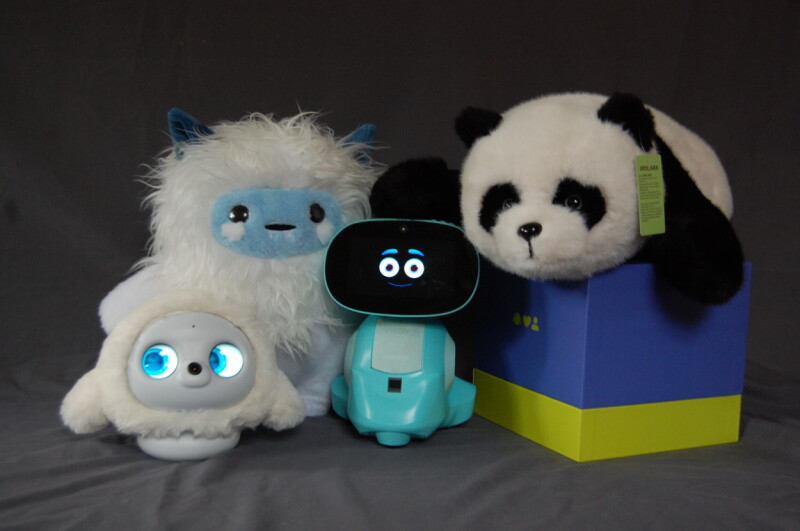
Last year's experience doesn't appear to have had any impact on the three new toys reviewed for this year’s report. Ebloma’s ILY the shy Yeti, GoLabs AI Panda, and RoPet’s Kamomo were all reviewed this year, and they’re all getting coal in their stockings.
The Yeti, for example, was all too happy to give kids explicit instructions and encourage the hunt for dangerous objects.
Theregister
Original Reporting Source
Explore features, ratings, and alternatives from our 19,000+ AI tools catalog.
AssistLoop's AI chatbots slash response times by 70% and boost satisfaction, scaling support for e-commerce and SaaS without extra hires.
Design professional websites effortlessly with AI.
Hypertxt.ai is an AI-powered SEO content writing tool that helps create high-quality, optimized content for improved search engine rankings. It offers various features to streamline the content creation process, from keyword research to content optimization and plagiarism checks.

