Activating the 'right' brain regions doesn’t guarantee someone feels better. ScienceAlert stories are written, fact-checked, and edited by humans, never generated by AI. Don't miss a story, subscribe here.
After a breakup, a friend might remind you that you've made it through difficult times before. Their advice makes sense, and you want to believe you'll feel happy again. You might still return home from that conversation feeling just as upset.
Looking at a situation differently can sometimes bring relief. Scientists call the attempt to change our feelings by reinterpreting events cognitive reappraisal.
But does seeing the brain make that effort also reveal how well it works?
A study published in Nature investigated that question across 40 datasets involving up to 2,175 participants. Activity in brain regions associated with emotional control did not show the expected relationships with how successfully people used this strategy.
Those regions had repeatedly stood out in earlier experiments. When people try to reinterpret upsetting situations, parts of the brain behind the forehead, called the prefrontal cortex, become engaged. These areas also contribute to reasoning and holding information in mind.
Researchers therefore expected connections between activity in these regions and people's ability to regulate emotions. The new study highlights a distinction between observing someone's brain as they use a strategy and comparing how much different people benefit from it.
"Some of the brain regions involved in regulating emotions are not necessarily the same regions whose activity tells us how good someone is at it," psychologist Maurizio Sicorello of Germany's Central Institute of Mental Health told ScienceAlert.
To investigate, the team combined analysis results from 32 research groups following a standardized plan registered in advance. Bringing together so many participants allowed them to detect weak relationships that smaller studies could miss.
In the experiments, participants typically viewed upsetting pictures inside a scanner. They simply watched some pictures and tried to reinterpret others to feel less distressed.
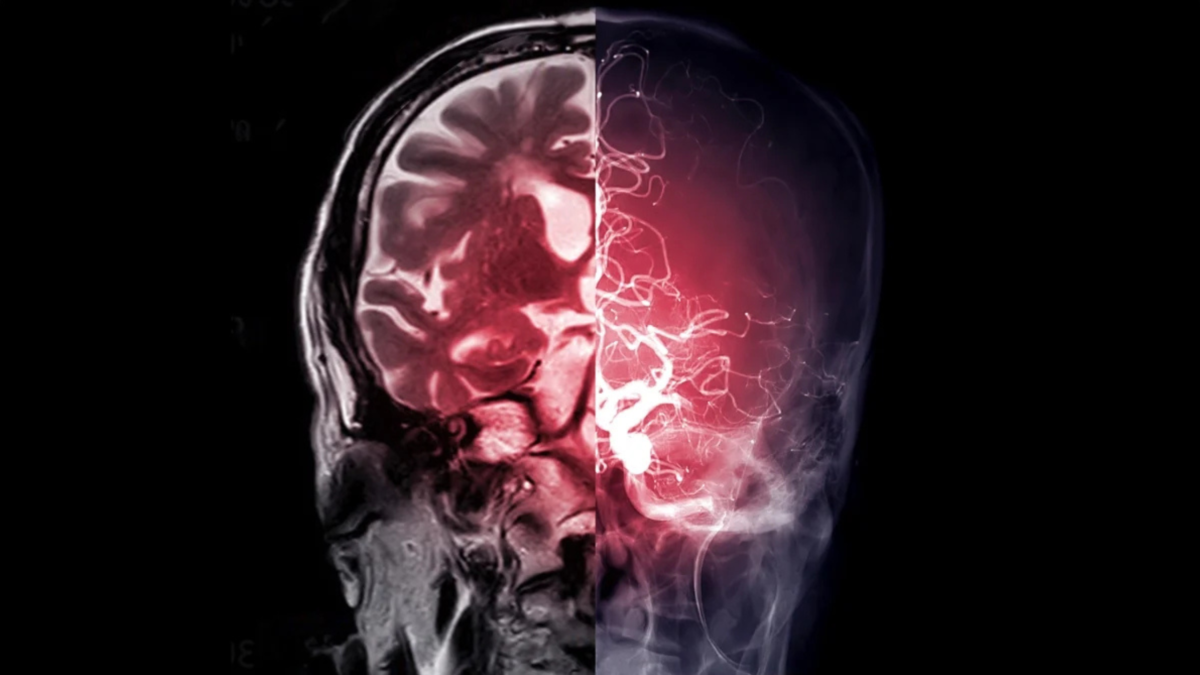
Functional magnetic resonance imaging, or fMRI, tracked changes in blood oxygenation associated with brain activity. Researchers could then identify how regional responses changed during reappraisal and compare those changes with how much relief participants reported.
The team also examined questionnaires about how often people used reappraisal in everyday life. A third measure tracked reductions in activity in a brain structure involved in emotional responses, the amygdala.
The expectation was that these measures would support one another. People who used reappraisal more often might experience greater relief during experiments, accompanied by corresponding differences in brain responses.
The results did not produce that picture. Questionnaire scores showed no significant relationship with either relief during the tasks or reduced amygdala activity. People who reported more relief did tend to show larger reductions in amygdala activity, but the connection was very weak.
The researchers calculated that a study would need 1,105 participants for an 80 percent chance of detecting a relationship that small. Small experiments could easily miss it.
None of the three measures showed the expected connection with activity in established prefrontal emotion regulation networks. Those networks were engaged both when people experienced negative emotions and when they tried to change them.
ScienceAlert
Original Reporting Source
Explore features, ratings, and alternatives from our 19,000+ AI tools catalog.

AssistLoop's AI chatbots slash response times by 70% and boost satisfaction, scaling support for e-commerce and SaaS without extra hires.

Design professional websites effortlessly with AI.
Hypertxt.ai is an AI-powered SEO content writing tool that helps create high-quality, optimized content for improved search engine rankings. It offers various features to streamline the content creation process, from keyword research to content optimization and plagiarism checks.

